Initiative seeks raise awareness of the potential health and environmental impacts of microplastic pollution and encourage informed choices in favor of natural fibers
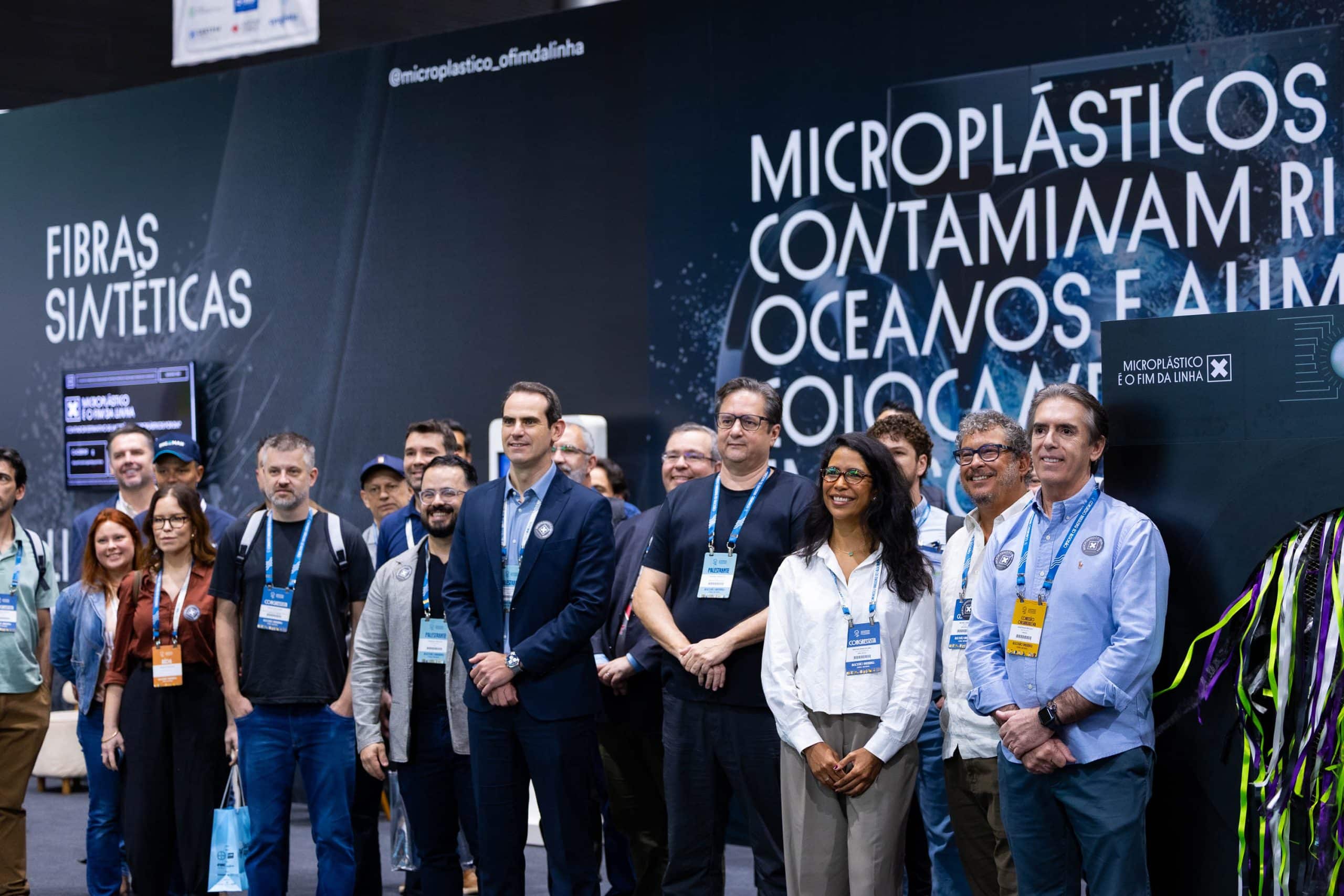
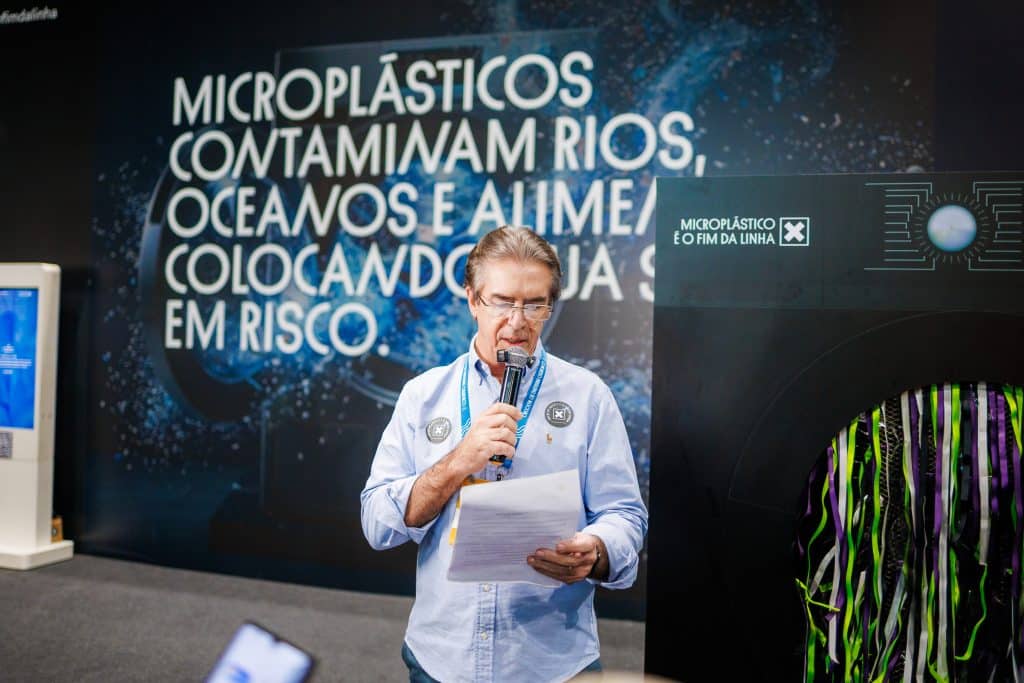
The 15th edition of the Brazilian Cotton Congress (CBA), the main gathering of the cotton production chain in Brazil, brought together growers, experts and industry representatives last week in Belo Horizonte, Minas Gerais, and served as the stage for the launch of an important initiative aimed at expanding the debate on the impacts of microplastics. The “Microplastico é o Fim da Linha” or “Hanging by a Thread” movement seeks to increase awareness of microplastic pollution, including particles released from synthetic textile fibers, and encourage greater consideration of natural fibers by the textile industry and consumers.
According to Gustavo Piccoli, president of the Brazilian Association of Cotton Growers (Abrapa), the debate on microplastics needs to involve different sectors of society.
“We want to bring together growers, industry, the scientific community, health professionals, environmental organizations, public authorities and consumers around a common goal: to expand knowledge and build solutions for the potential impacts of microplastics on health and the environment.
For Abrapa, this discussion also needs to advance toward a long-term agenda, with state public policies that encourage research and innovation and open up new opportunities for natural fibers,” he says.
Purpose, quality and transparency
The launch is connected to the theme of this edition of the CBA — “Brazilian cotton: natural fiber. A journey with purpose, quality and transparency”. Over the three days of the congress, participants had the opportunity to learn about the movement at a booth dedicated to the initiative, featuring a photo area, a quiz about fibers and a microparticle counter based on a WWF study.
“Talking about purpose and transparency also means providing information to society, encouraging science and expanding knowledge about the fibers that are part of our everyday lives. This movement starts here, at the 15th Brazilian Cotton Congress, but it needs to go much further. Our invitation is for more organizations, researchers, companies, governments and citizens to join this effort.
Greater awareness can help inform choices, advance research and support the development of solutions. The “Hanging by a Thread” movement is an invitation to join forces and build the next steps together,” the president adds.
Natural fibers on the public policy agenda
Among the main sources of microplastics are synthetic fabrics made from plastic polymers, such as polyester, nylon and acrylic. Throughout their life cycle, especially through wear and washing, these materials can release plastic microfibers. These particles can enter wastewater and the wider environment, contributing to plastic pollution, while research continues to investigate the potential implications of microplastic exposure for human health.
The movement does not propose eliminating synthetic fibers. The discussion seeks to expand information and transparency, encourage research and innovation, and create more opportunities for the use of natural fibers when technically appropriate.
According to Abrapa Executive Director Marcio Portocarrero, awareness must go hand in hand with the development of public policies capable of promoting natural fibers.
“The promotion of natural fibers needs to be treated as a long-term agenda. We want to expand dialogue with governments, industry and the scientific community to build public policies that encourage research, innovation and technological development, creating new applications and conditions to expand the presence of natural fibers in the Brazilian textile industry. This is an agenda that brings together health, environmental sustainability, industrial development and consumer information,” Portocarrero says.
The ‘Hanging by a Thread’ movement was created with the participation of Abrapa, Ayraa Eco Friendly, the Brazilian Association of Corriedale Breeders (ABCC), the Brazilian Association of Australian Merino Breeders (ABCMA), the Brazilian Association of Ideal Sheep Breeders (ABCI) and the Brazilian Association of Naturally Colored Sheep Breeders (ABCONC), bringing together different sectors around an agenda that encompasses health, the environment, science, consumption, industry and development.
Learn more about the “Microplástico é o Fim da Linha” or “Hanging by a Thread” movement on the campaign’s website and follow the initiative on Instagram.