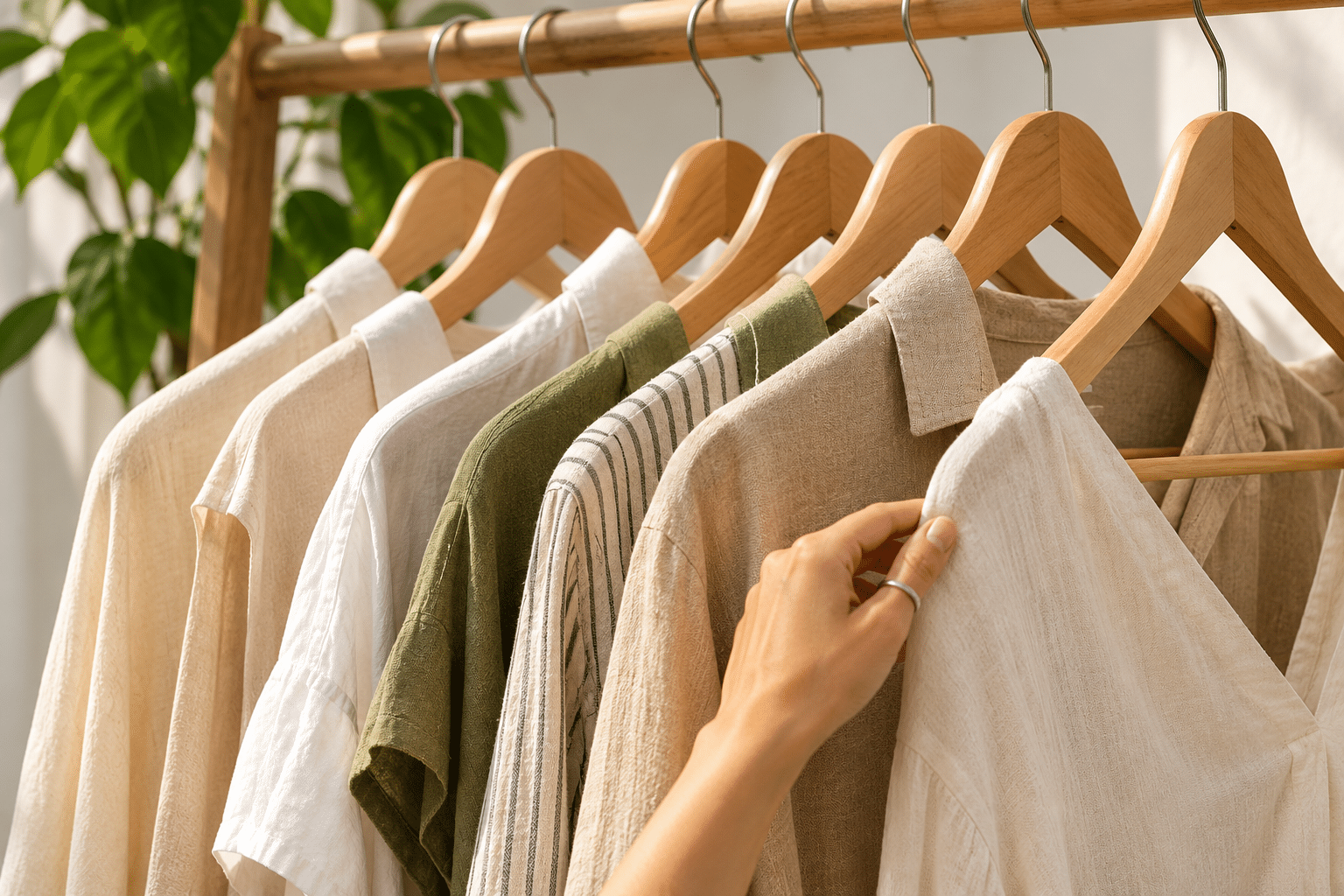
Greater attention to clothing composition is bringing young consumers closer to materials such as cotton and linen and broadening the debate on the impact of synthetic fibres
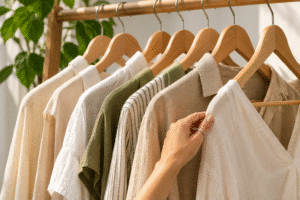
The composition of clothing is gaining importance in the choices of a new generation. Among younger consumers, there is growing interest in knowing which fibres are used in garments, with greater attention to natural materials such as cotton, linen and hemp. Such movement can be seen both in consumer behavior surveys and on social media, where content about labels, quality, and the differences between natural and synthetic fibres is broadening a discussion that was previously largely confined to the textile industry.
Environmental issues, health concerns including microplastics, comfort, durability, circularity and even the search for clothing better suited to increasingly high temperatures help explain the renewed interest in natural fibres.
A trend on social media
Gen Z is at the center of this conversation. A Cotton Incorporated survey conducted in 2024 found that 66% of consumers in this generation considered cotton their favorite fiber or fabric to wear. Polyester stood at 5%. More than six in ten respondents, 61%, also said they were willing to pay more for clothing made from natural fibres, associating them primarily with characteristics such as softness, comfort, and quality.
On social media, the trend has gained names such as “FabricTok”, where content creators analyze clothing labels, quality, and composition and teach audiences how to distinguish natural fibres from synthetic materials. Data cited by Axios showed a 230% increase in posts using the #Naturalfibers hashtag on TikTok in early 2025 compared with the previous year.
The shift is also reflected in internet searches. In the United States, Google searches for “natural fiber” have increased by around 110% over the past five years, according to a report published by Business of Fashion. Over the same period, searches for “natural material clothing” rose by approximately 850% and reached a peak in March 2026. Worldwide, interest in the same term quadrupled.
Debate reaches Brazil
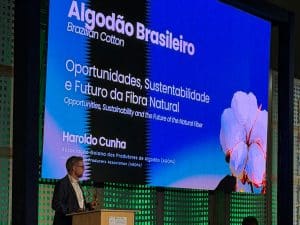
In Brazil, this discussion gained its own initiative during the 15th Brazilian Cotton Congress, held in September in Belo Horizonte. The “Hanging By a Thread” movement, conceived by the Brazilian Cotton Growers Association (Abrapa), was launched during the congress with the aim of providing consumers with information about the presence of microplastics in everyday life and encouraging debate about the impact of the fibres used by the textile industry.
The initiative brings together organizations connected to different natural fibres and seeks to engage consumers, industry, researchers, and public authorities around issues such as information, research, innovation, and the promotion of these materials.
In addition to Abrapa, the movement was created with the participation of organizations linked to hemp and wool, including Ayraa Eco Friendly and Brazilian associations of breeders of Corriedale, Australian Merino, Ideal, and naturally colored sheep. The aim is to provide more information so that consumers and companies can understand the composition of the materials they use, their different applications, and the impacts associated with their life cycle.
For Abrapa president Gustavo Piccoli, the growing interest in clothing composition creates an opportunity to bring Brazilian cotton closer to a new generation of consumers.
“Consumers want to know what they are wearing and make informed choices. For us, it is important that natural fibres become an increasingly prominent part of this discussion.”
The issue reflects a broader transformation in consumer behavior. While sustainability in fashion was for years focused on issues such as carbon emissions, working conditions, and the origin of raw materials, part of the discussion has now moved closer to consumers’ everyday lives.
The contrast in the global market
This shift in perception, however, has not yet led to an equivalent transformation in global production. While consumer interest in natural materials is growing, synthetic fibres continue to dominate global supply.
According to a Textile Exchange report, global fibre production reached a record 139 million tonnes in 2025. Polyester remained by far the world’s most widely produced fibre, at 82.5 million tonnes, equivalent to 59% of the global market. Cotton remained the second most widely produced fibre, at 25.7 million tonnes and an 18% share.
One of the issues lies in what happens to these materials throughout their useful life. Synthetic fabrics can release plastic microfibres during use and, particularly, during washing. The European Environment Agency estimates that between 200,000 and 500,000 tonnes of microplastics from textiles enter the global marine environment each year.
The figures show that growing interest in natural fibres still coexists with a market largely dominated by synthetic materials. It is precisely within this contrast that the cotton sector sees an opportunity to expand information about clothing composition and bring natural fibres closer to new generations of consumers.
“By making labels part of the purchasing decision, this new behavior also creates space for a broader discussion about the origin, composition, and impact of materials. It is in this context that the ‘Hanging by a Thread’ movement seeks to expand access to information and take this debate beyond the industry, bringing it closer to consumers and the choices they make in their everyday lives,” concludes Piccoli.