Initiative held since 2015 adopts a new format in 2026, with two immersion rounds and expanded participation from brands, retailers, NGOs and research institutes
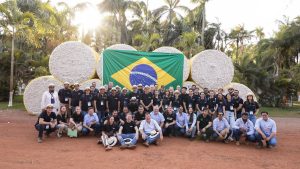
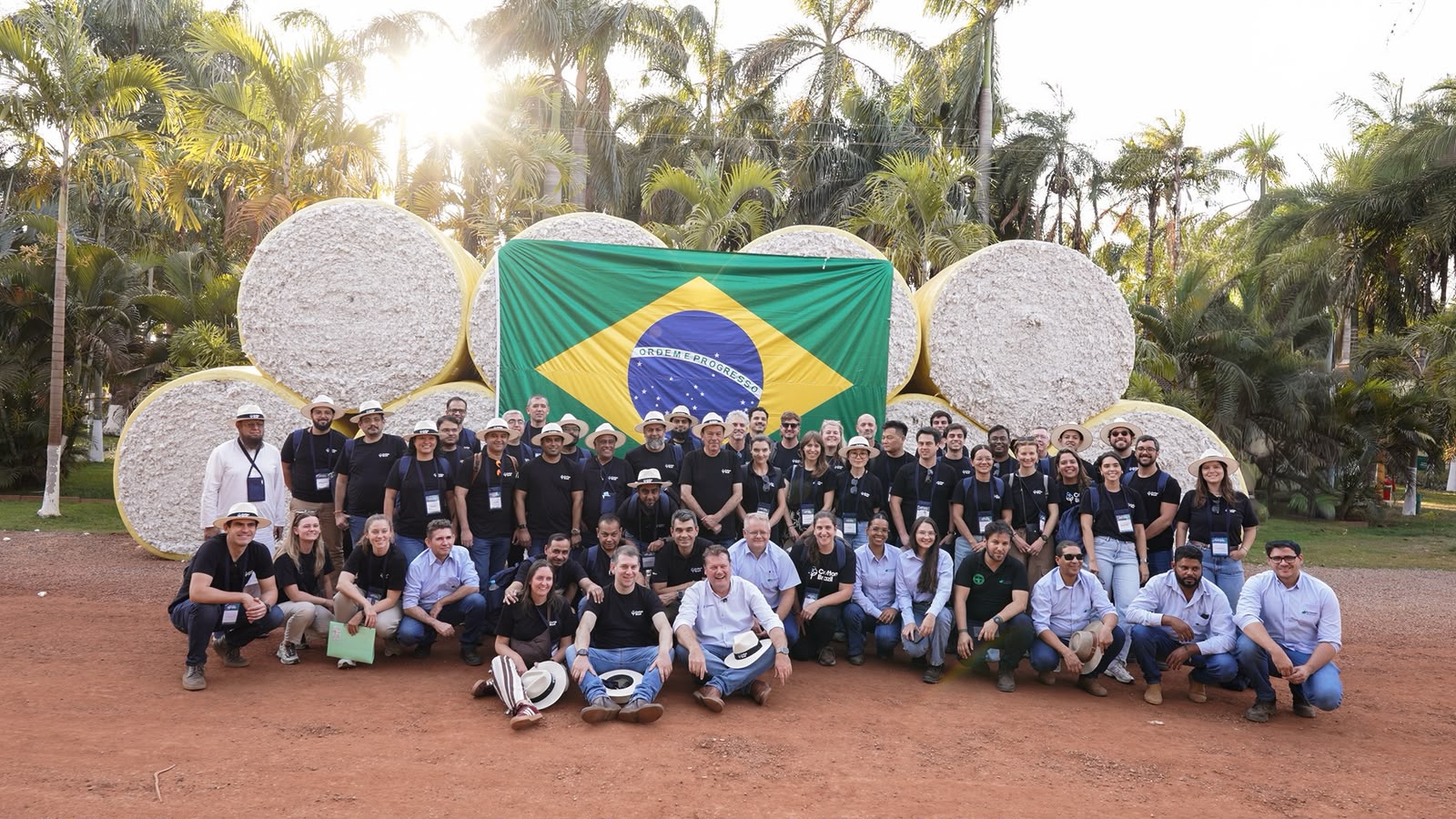
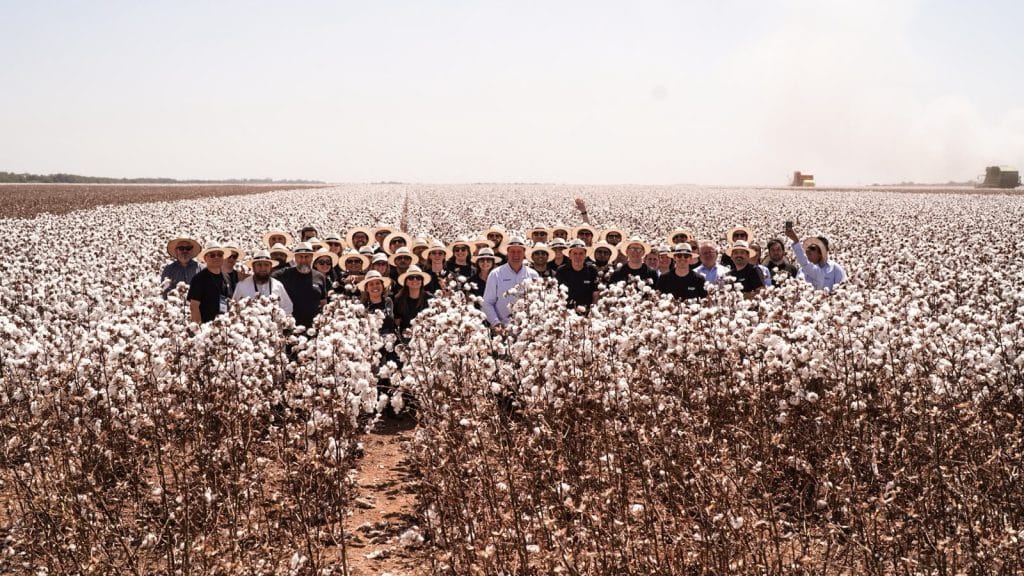
The Cotton Brazil Dialogues concludes its 2026 edition after a series of technical visits to farms, cotton gins and reference centers, as well as workshops focused on Brazilian cotton production. A total of 50 participants from 14 countries took part in the field trips. The initiative is led by the Brazilian Association of Cotton Growers (Abrapa) and the National Association of Cotton Exporters (Anea), with support from the Brazilian Trade and Investment Promotion Agency (ApexBrasil).
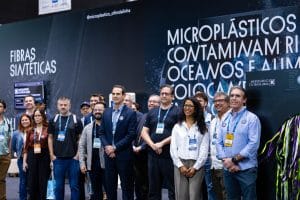
Held since 2015, the initiative adopted an expanded format this year, bringing together a broader range of stakeholders from across the textile supply chain. In addition to spinners, the program welcomed representatives from brands, retailers, non-governmental organizations (NGOs), research institutes and other strategic stakeholders. Of the 50 participants, 32 represented spinning mills, while 18 represented brands, retailers and NGOs. Two immersion rounds were held in July and August.
This broader participation reflects an evolution in the initiative’s approach. Beyond presenting Brazilian cotton to traditional buyers, the Cotton Brazil Dialogues creates a space for direct exchange between those who produce the fiber and those who source, transform, research, influence and make decisions across the supply chain.
The aim is to foster greater understanding of Brazilian cotton production, strengthen connections between producers and the global textile industry, and contribute to a more transparent and responsible supply chain.
Long-term relationships
For Abrapa President Gustavo Piccoli, expanding the presence of these representatives in Brazil strengthens trust and long-term relationships with the international market.
“For more than a decade, we have opened the doors of Brazilian cotton production to the international market. This year, we took it a step further by expanding this dialogue to other stakeholders who also influence decisions across the textile supply chain. We want brands, retailers, buyers, international organizations and researchers to gain first-hand knowledge of how we produce and have the opportunity to engage directly with the sector,” says Piccoli.
The president notes that the initiative comes at a time when Brazil is strengthening its presence in international trade. “Brazil ended the 2025/26 commercial year with a historic record of 3.37 million tons of exported cotton, 19% more than in the previous commercial year, consolidating its position as the world’s leading cotton exporter,” he highlights.
Fernando Rati, head of Cotton Brazil, highlighted the importance of the in-person experience in building confidence among international participants.
“The visit moves participants beyond the abstraction of a presentation and turns it into a concrete experience: they see, touch and talk directly to those who produce. This contrast between hearing about something and seeing it up close is what builds real trust,” he said.
“Unlike in other countries they have visited, participants noted that Brazilian producers do not hide their challenges. They show the reality and address it openly, rather than presenting only the positive aspects,” he added.
Continuous improvement
Lisa Ventura, Head of International Partnerships at Abrapa, explained that the field trips offer a unique opportunity to receive holistic feedback on Brazilian cotton production.
“The 2026 Cotton Brazil Dialogues was a rich opportunity to build stronger connections across the supply chain and have meaningful conversations about the future of cotton and natural fibres. The feedback from both trips is already being shared across our networks, helping us identify opportunities to further improve our production. These insights will also help us make the 2027 edition even more relevant and impactful.”
Innovation and quality
More than an opportunity to learn about Brazilian cotton production, the field visit allowed participants to see the practices adopted in Brazil and exchange experiences with producers and other professionals across the supply chain.
Bharat Desai, from Arvind Mills, in Ahmedabad, India, highlighted the progress of Brazilian cotton in terms of innovation and quality. In his view, Brazil is gaining increasing relevance in the global market.
“What is amazing about Brazilian cotton, the entire agricultural complex, is something where they are taking it to the next level in terms of the inputs they get, in terms of the value creation they do by way of a huge amount of interaction and transparently sharing various things which are emerging over a period of time”, he said.
Renske Koster, Cotton Engagement Manager at Textile Exchange, highlighted the importance of gaining first-hand knowledge of how the ABR program is implemented, meeting Brazilian producers and learning about the environmental and social practices adopted in the field.
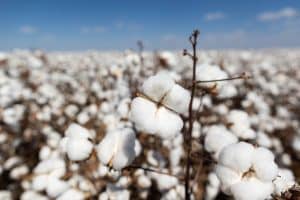
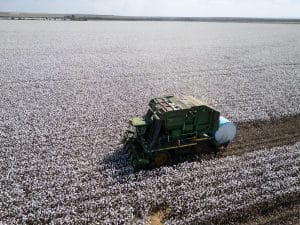
“To see the cotton fields today, and to see how, with the rain-fed system, the cotton can be grown to a high standard of quality as well as environmental standards. And to really see also how passionate people are who work with the cotton here,” she said.
From the field to the global market
Participants experienced different stages of the supply chain and gained knowledge of the systems and practices adopted in Brazilian cotton production. The program covered the states of Mato Grosso, Bahia and Goiás, as well as the Federal District, and included visits to farms, cotton gins, laboratories and research centers, as well as discussions on quality, sustainability, traceability, technology and innovation.
The program is coordinated by Abrapa and the National Association of Cotton Exporters (Anea), with support from the Brazilian Trade and Investment Promotion Agency (ApexBrasil) and the state associations affiliated with Abrapa: the Mato Grosso Association of Cotton Producers (Ampa), the Bahia Association of Cotton Producers (Abapa) and the Goiás Association of Cotton Producers (Agopa).
The next edition of the Cotton Brazil Dialogues is scheduled to take place between July and August 2027. To register your interest in participating, please contact us at cottonbrazil@abrapa.com.br.
About Cotton Brazil
Cotton Brazil implements a structured and integrated international promotion strategy for Brazilian cotton, with the goal of strengthening the country’s recognition for the quality, sustainability, traceability and technology of its fiber.
Launched in 2020, the program is developed in partnership with the Brazilian Trade and Investment Promotion Agency (ApexBrasil) and brings together the Brazilian Association of Cotton Growers (Abrapa) and the National Association of Cotton Exporters (Anea).
The Cotton Brazil Dialogues is part of this broader international promotion and relationship-building strategy with different segments of the global textile supply chain.