
New measure requires companies to find alternative destinations for unsold inventory and increases pressure for more efficient practices across the textile sector
As of July 19, the European Union has prohibited large companies from destroying unsold new clothing, apparel accessories and footwear. The requirement will be extended to medium-sized companies starting in 2030 and is part of the Ecodesign for Sustainable Products Regulation (ESPR).
According to the European Commission, the initiative aims to prevent products that are still fit for use from being discarded, along with the resources invested in their production. Raw materials, water, energy and labor can all be wasted when these products are destroyed, in addition to the environmental impacts associated with waste treatment.
In practice, the regulation requires companies to consider alternative solutions before disposing of unsold products. These include selling through other channels, promotional campaigns, donations, and actions that recover or extend the products’ useful life, such as repair, refurbishment, or remanufacturing.
The destruction of products will remain permitted only in limited circumstances, such as when they pose safety risks, are damaged, counterfeit, infringe intellectual property rights, or are rejected by donation programs. In such cases, companies must justify their decision, keep records, and publish annual information on the products destroyed. Whenever disposal is unavoidable, recycling must be prioritized.
Commitment to a More Sustainable Value Chain
The new European requirement reinforces a trend that is already reshaping the textile sector: every stage of a product’s lifecycle, from design and sourcing to inventory management and end-of-life, must make better use of resources. As companies adapt to these new expectations, greater attention is being placed on transparency, traceability, product quality, and supply chains that support longer product lifecycles.
Although the regulation applies to all textile products regardless of the materials they contain, it reinforces the importance of responsible sourcing and production practices that help maximize the value of products and the resources invested in them.
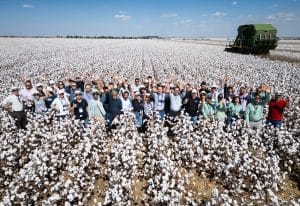
In this context, Cotton Brazil strengthens connections across the textile value chain by promoting responsibly produced Brazilian cotton and fostering dialogue among producers, the textile industry, brands and retailers. Through initiatives that encourage transparency and traceability, the program contributes to supply chains that are better prepared to meet evolving sustainability expectations and regulatory requirements.
One example is the Responsible Brazilian Cotton (ABR) Program, Abrapa’s sustainability certification for cotton farms. Developed by the Brazilian Cotton Growers Association (Abrapa), the program brings together environmental, social and management criteria, reflecting the sector’s commitment to continuous improvement and supporting the growing demand for more transparent and responsible supply chains.
“Reducing waste begins long before a product reaches the consumer. It starts with responsible production, efficient resource use and greater transparency across the value chain.” Lisa Ventura, Head of International Partnerships, Abrapa.
Efficient Use of Resources
In force since 2024, the ESPR establishes requirements to ensure that products placed on the European market are more durable, repairable, recyclable, and resource-efficient. Textiles are the first product group covered by the ban due to the environmental impacts associated with current clothing production and consumption patterns.
According to data from the European Environment Agency, cited by the European Commission, between 4% and 9% of textile products placed on the European market are destroyed before ever being used. This represents an estimated 264,000 to 594,000 metric tons each year.
The European Union’s decision reinforces the importance of combining quality, inventory planning, traceability, and strategies that extend product lifecycles. As sustainability expectations continue to evolve, reducing waste and improving resource efficiency will require collaboration across the entire textile value chain, from responsible production to retail, helping to support a more circular textile economy.