Brazilian delegation participated in the event in Chongqing and showcased the country’s progress in quality, traceability, and sustainability to strategic partners
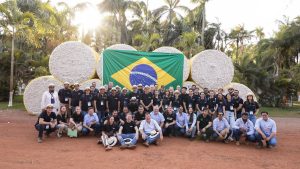
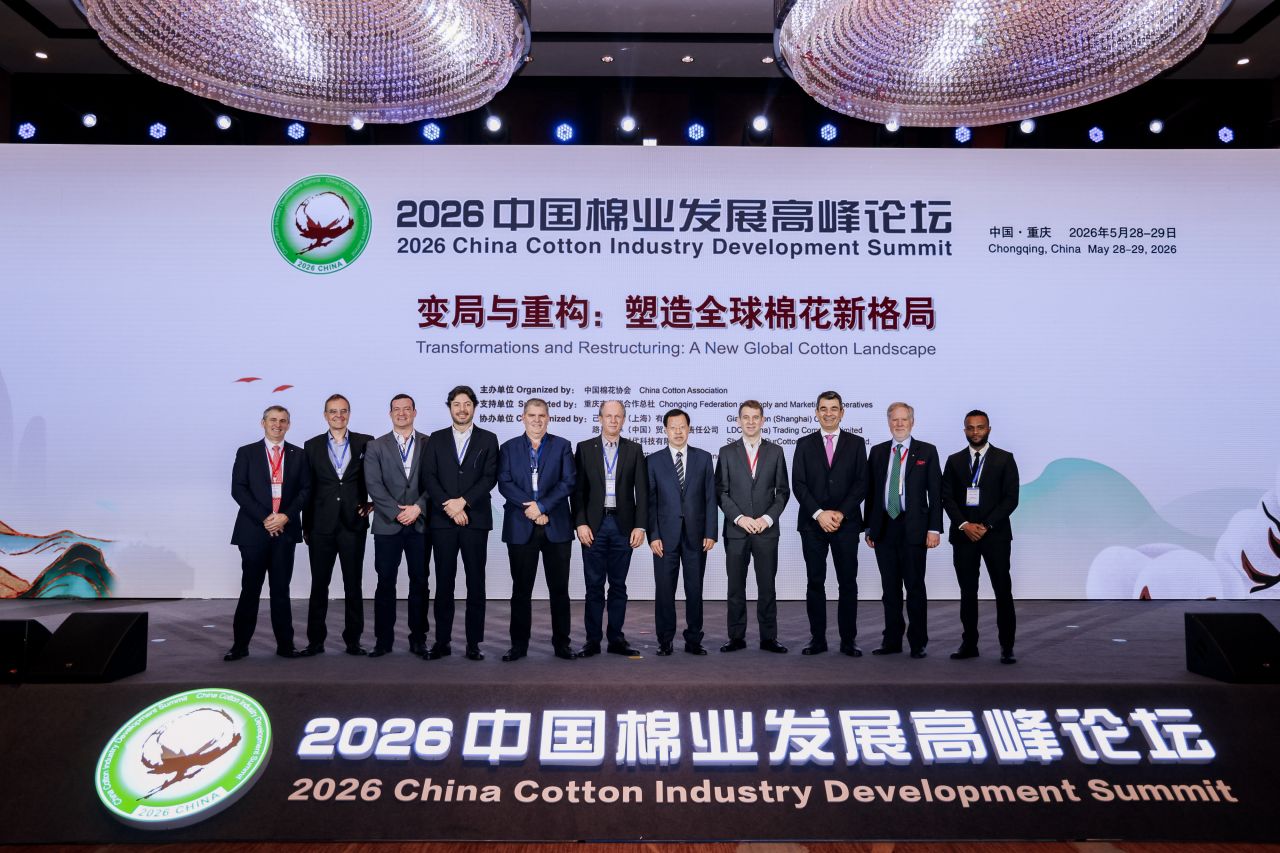
Cotton Brazil participated in the 2026 China Cotton Industry Development Summit, held on May 28–29 in Chongqing, China, and organized by the China Cotton Association (CCA). The Brazilian delegation was composed of representatives from the Brazilian Cotton Growers Association (Abrapa) and the National Association of Cotton Exporters (ANEA), alongside ApexBrasil (the Brazilian Trade and Investment Promotion Agency).
The agenda reinforced ties between two of the leading players in the global cotton value chain. While China is the world’s largest cotton producer, consumer, and importer, Brazil is the world’s largest cotton exporter. The materials presented during the event also highlighted Brazil as the leading source of cotton imports for the Chinese market, underscoring the complementary roles of both countries within the international cotton supply chain.
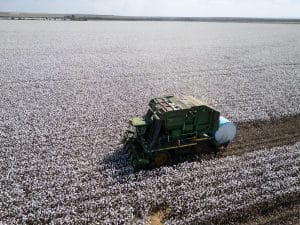
During the summit, the Brazilian delegation presented an overview of the national cotton sector, highlighting advances in quality, traceability, certification, and supply reliability. According to the data presented, Brazilian cotton is 100% machine harvested and 100% tested through High Volume Instrument (HVI) analysis. In addition, more than 80% of bales have HVI data and origin information available online on a bale-by-bale basis, and approximately 80% are certified as sustainable.
According to Marcelo Duarte, Abrapa’s International Relations Director, Brazil’s participation represented an important opportunity to strengthen dialogue with the Chinese industry. “More than a conference, this was a valuable space for dialogue, trust-building, and practical cooperation with the world’s most important cotton and textile market,” he said.
The trip schedule
The trip began on May 27 with the Cotton Brazil Networking Cocktail, an event focused on building relationships with representatives of the Chinese textile industry. The gathering created opportunities for institutional engagement and direct dialogue with stakeholders across the local value chain.
On May 28 and 29, the Brazilian delegation participated in the official program of the 2026 China Cotton Industry Development Summit, organized by the China Cotton Association (CCA). As part of the event agenda, Marcelo Duarte presented an overview of the Brazilian cotton market, highlighting quality, traceability, sustainability, and supply reliability.
“We are very grateful to the CCA for the warm welcome and for creating such an important platform for collaboration. Brazilian cotton remains committed to building an increasingly close and strong relationship with the Chinese cotton industry,” Duarte added.
The agenda also included meetings with strategic institutions from China’s cotton sector. On May 28, the delegation attended a luncheon with ChinaTex, a state-owned company affiliated with the COFCO Group and one of the leading references in China’s cotton and textile industries. The company operates across multiple stages of the value chain, from production and processing to textile manufacturing.
On May 29, the Brazilian representatives attended a luncheon with the China National Cotton Group Corporation (CNCGC), an operational arm focused on manufacturing, domestic logistics, and cotton supply for the Chinese textile industry. On the same day, the delegation joined a dinner hosted by the China National Cotton Exchange (CNCE), the country’s central cotton trading platform responsible for connecting key stakeholders across the Chinese market.
These engagements reinforced Cotton Brazil’s efforts to expand dialogue with buyers, institutions, and strategic platforms in one of the most important markets for Brazilian cotton.
Advances in fiber quality
China remains the main destination for Brazilian cotton exports in the 2025/26 marketing year. Between August and April, the country imported 726,000 tons of Brazilian cotton, equivalent to 27% of Brazil’s total exports during the period. Over the past five years, China has accounted for an average of 31% of Brazilian cotton purchases.
“China plays a central role in the global cotton value chain. Being present in the country allowed us to listen, exchange perspectives, and showcase Brazil’s progress,” Duarte emphasized.
Brazil’s performance was also highlighted through production and export figures. For the 2025/26 season, Cotton Brazil projects exports of 3.2 million tons, representing a 13% increase compared to the previous season. Brazilian cotton production was estimated at 4.25 million tons in 2025, with a forecast of 3.829 million tons for 2026.
Beyond production and export scale, Brazil presented to Chinese stakeholders the advances achieved in fiber quality. The presentation also highlighted Cotton Brazil’s future agenda, structured around six pillars: sustainability, traceability, quality, value proposition, supply reliability, and market development.
These pillars guide the program’s efforts to expand the international presence of Brazilian cotton and strengthen relationships with strategic markets such as China.