

With the region in the spotlight, fashion turns to heritage, craftsmanship and traceable cotton to tell more conscious stories
Latin America is having a defining moment on the global stage. From Bad Bunny’s Super Bowl LX halftime show to the rise of “Brazil Core,” the region’s culture and creative expression are shaping trends and influencing audiences worldwide.
This momentum reflects the growing strength of Latin America’s soft power across industries — from fashion to gastronomy — positioning the region as a dynamic creative hub with increasing economic relevance. A recent WGSN study further reinforces this trajectory, projecting that Latin America is set to consolidate its role as one of the world’s leading forces in the global creative economy in the years ahead.
Latin American culture has been gaining increasing prominence at major global events. Brazilian cinema, for example, has been gaining increasing international recognition. In recent years, films such as I’m Still Here and The Secret Agent have won awards at major global ceremonies, including the Oscars, the Golden Globe Awards, and the BAFTA Awards.
In recent international fashion weeks references to the region were visible on the runways. During Paris Fashion Week, Chicano designer Willy Chavarria presented his collection Eterno, inspired by Mexican-American culture. Meanwhile, Colombian designer Jorge Duque brought a celebration of Latin American heritage to New York Fashion Week.
Light fabrics, deep roots
If in entertainment the Latin moment translates into audience reach, cultural relevance and global impact, in fashion it is expressed through material choices. Natural fibers are gaining renewed attention not only for their environmental attributes, but for what they represent.
Across Latin America, fibers such as cotton have long been embedded in daily life. Lightweight, breathable and adaptable to warm climates, cotton is part of how people dress, move and inhabit their environments. It is present in traditional garments, artisanal techniques and contemporary urban style alike.
In this context, countries such as Peru and Brazil stand out as references in cotton production, not merely for scale, but for legacy and quality. Peru carries centuries-old textile traditions rooted in craftsmanship and identity. Brazil, in turn, places cotton at the core of its textile heritage and creative economy, combining a long-standing relationship with the fiber and a dynamic, innovative industry closely connected to fashion design and contemporary cultural expression.
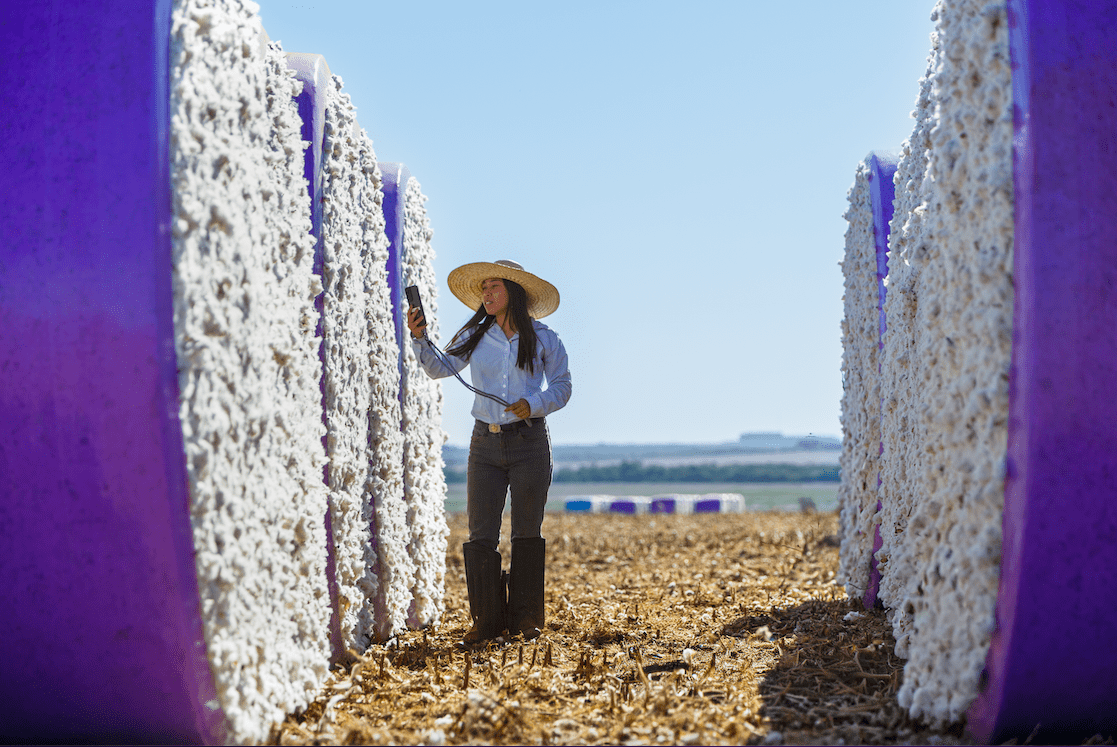
“Latin American cotton carries a narrative that goes beyond raw material. It represents territory, tradition and, increasingly, traceability and socio-environmental commitment. When we talk about conscious fashion, we are talking about valuing supply chains that preserve cultural identity while fostering responsible innovation,” says Lisa Ventura, International Partnerships Lead at Cotton Brazil.
Accompanying the broader celebration of Latin America on the global stage, Brazil, the largest country in the region, has also seen international brands turn their attention to its lifestyle. The so-called Brazil Core aesthetic has inspired collections that draw on tropical palettes, beach culture, fluid silhouettes and a relaxed yet expressive way of dressing. From Jacquemus to Bershka, references to Brazilian imagery and mood have appeared in recent seasons. In a World Cup year, this celebration is likely to intensify, as fashion, sport and national identity converge.
As global fashion shifts toward more conscious consumption, natural fibers gain prominence. They connect origin to design, field to fabric, and culture to contemporary aesthetics. Cotton, in particular, embodies this intersection, at once traditional and modern, local and global.
From identity to intention
As fashion becomes more attentive to its impact, what we wear increasingly reflects shared values. The conversation is no longer only about aesthetics, but about responsibility, longevity and environmental awareness.
Cotton is central to this shift because of its intrinsic characteristics. It is a renewable natural fiber, cultivated season after season. Unlike synthetic materials derived from fossil fuels, cotton is free from microplastics. It is durable, breathable and particularly suited to warm climates and dynamic lifestyles. At the end of its lifecycle, under appropriate conditions, it is biodegradable.
According to Lisa Ventura, choosing natural fibers such as cotton reflects a shared commitment to more responsible fashion, connecting identity, community and care for the environment from soil to style.