The theme inspired looks that also opened space for more sustainable practices
The most anticipated night in fashion. Every year, on the first Monday of May, the Metropolitan Museum of Art opens its iconic steps to host one of the industry’s most important moments: the Met Gala. Organized by Vogue US, the event brings together leading celebrities and artists of the moment in iconic, red carpet–worthy looks. And this year’s edition, held on the 4th, was no different.
This year’s theme could not have been more fitting: “Costume Art”. Guests followed the dress code “Fashion Is Art”. Within this context, many looks also stood out for their sustainable approach.
The event celebrated the MET’s new exhibition, which places fashion pieces in direct dialogue with historical works of art, such as paintings and sculptures. In this context, the main proposal was to treat clothing not merely as attire, but as an artistic expression connected to the human body.
Sustainability in the details
Singer SZA appeared in a butterfly-inspired dress created by designer Emily Adams Bode Aujla. The piece was made entirely from over 90 meters of vintage fabrics and “hidden treasures” sourced from eBay, proving that upcycling can reach haute couture levels. Model Kendall Jenner opted for a GapStudio look designed by Zac Posen, using archival fabrics and production leftovers.
Wearing Stella McCartney, singer Katy Perry appeared on the red carpet in a look made from deadstock satin (leftover luxury stock fabric), forest-friendly viscose, and repurposed tailoring materials. Meanwhile, British model Lila Moss chose an Art Deco-inspired dress designed by Conner Ives, created from three different vintage dresses.
Skier Eileen Gu wore the “Airo” design by Iris van Herpen, which took 2,550 hours to complete. The dress featured 15,000 glass bubbles and incorporated recycled elements alongside advanced 3D printing to minimize waste. Puerto Rican model Nerishka Lyann walked the carpet in the “Viscéra” look, created by Manolo Bouvier. The dress was made from Gaia Eco Woven fabric, composed entirely of recycled materials.
This sustainable approach extended beyond the garments themselves. Even the red carpet reflected an eco-conscious mindset. Designed by the Indian brand Neytt by Extraweave in collaboration with Raul Avila, the material was produced using natural fibers and traditional sustainable weaving techniques.
Beyond the look
While the Met Gala highlighted creativity through reuse and textile innovation, the event also reinforced a broader shift within the industry: the search for more responsible raw materials. In this context, Brazilian cotton stands out for encouraging more sustainable and transparent practices within the Brazilian cotton sector, promoting initiatives that combine socio-environmental responsibility, innovation, and fiber traceability.
Among the main examples is ABR – Algodão Brasileiro Responsável, the socio-environmental certification program created by the Associação Brasileira dos Produtores de Algodão (Abrapa) in 2012 to ensure that Brazilian cotton is produced sustainably. The program validates labor, environmental, and economic best practices by auditing farms to ensure legal compliance and social responsibility.
ABR is nationally managed by Abrapa, benchmarked alongside Better Cotton (BCI), and implemented in the field by state associations.
Cotton traceability
Another example of Brazil’s commitment to sustainable practices is SouABR, an initiative that combines traceability with the ABR sustainability certification, connecting responsible production practices to transparent supply chain monitoring. Focused on the Brazilian market, the project makes it possible to track Brazilian cotton all the way to the final consumer, following the fiber’s journey throughout the textile supply chain and linking products to their origin and certified sustainability standards.
The initiative has become a traceability case study in Brazil by integrating different links of the production chain around a shared commitment to responsibility and transparency.
After four years operating as a pilot project, the program created by Abrapa enters a new phase in 2026 with a structured policy and consolidated supply chain data. The new policy establishes clear participation criteria, responsibilities, and benefits for brands and industries, strengthening the program as a strategic tool for engagement, communication, and the appreciation of Brazilian cotton’s origin.
Throughout 2025, the program recorded its highest level of traction, with 319,647 traceable pieces produced, connecting farms, industry, and retail through technology and transparency.
Sustainability on the runway
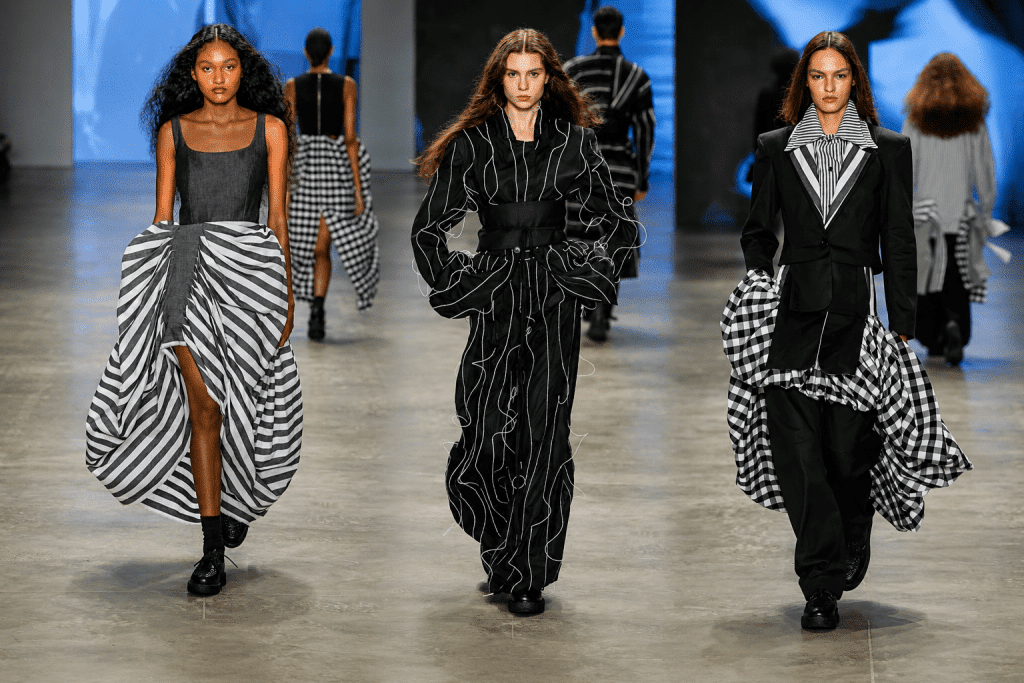
But it is not only at the Met Gala that the connection between fashion and sustainability takes center stage. In 2025, during São Paulo Fashion Week, the “Trajetórias” fashion show, promoted by Sou de Algodão, highlighted cotton’s journey from the field to the runway, emphasizing the importance of transparency, innovation, and the connection between every link in the textile supply chain.
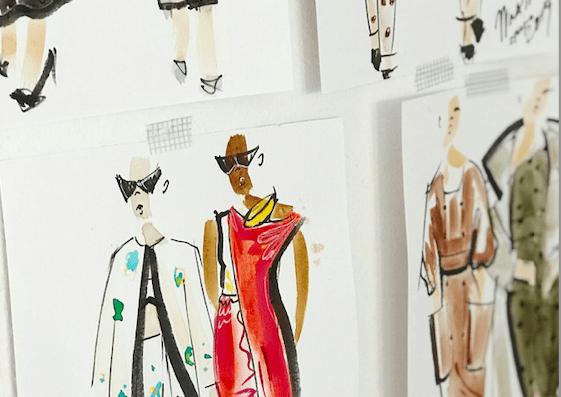
The presentation featured 36 all-black looks developed by six partner designers, with 100% traceable garments integrated into the SouABR platform — a symbolic milestone that brought Brazilian cotton traceability to the center of independent fashion and the national fashion calendar.
The show brought together designers such as Alexandre Herchcovitch, Aluf, Amapô, David Lee, Fernanda Yamamoto, and Weider Silveiro, each interpreting Brazilian cotton through different creative perspectives. A demonstration that, just like at the Met Gala, glamour and responsibility can coexist in fashion.