Cotton Brazil Dialogues Australia 2026 mission takes place from May 17 to 22 and will bring a Brazilian delegation to some of the country’s leading cotton-producing regions
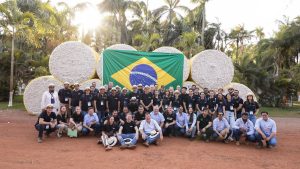
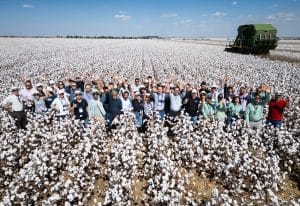
Cotton Brazil will carry out the international mission “Cotton Brazil Dialogues” to Australia from May 17 to 22, 2026. The program will bring a Brazilian delegation to technical visits and institutional meetings in some of Australia’s main cotton-producing regions. The initiative aims to promote technical exchange between the Brazilian and Australian cotton sectors, with a focus on innovation, sustainability, applied research, water-use efficiency, logistics, and agricultural management, and is supported locally by Rabobank.
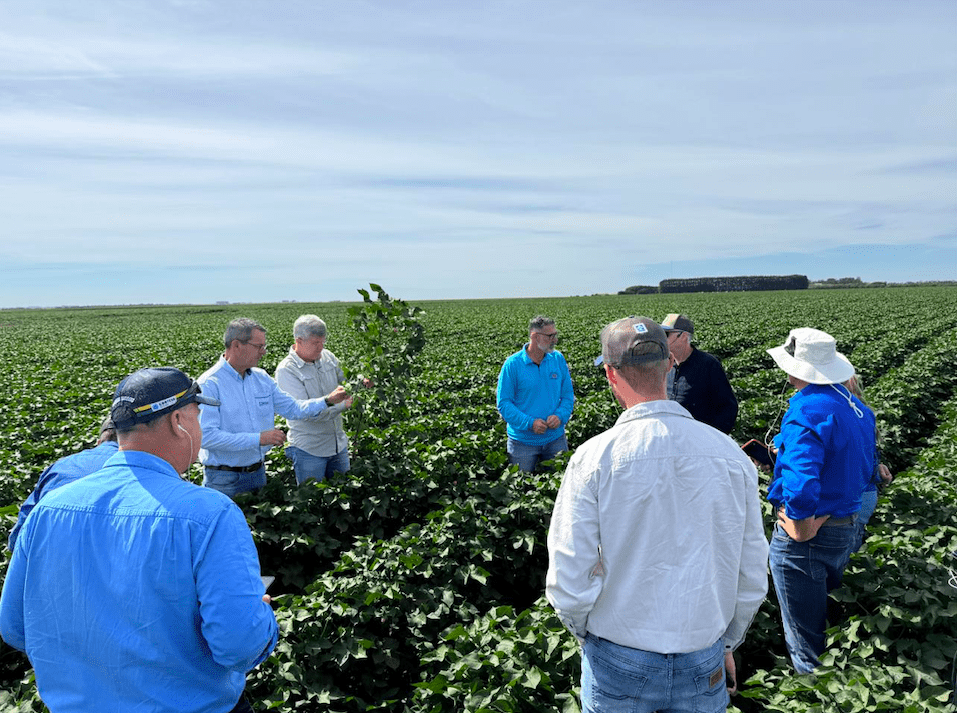
Throughout the program, participants will visit farms, research centers, laboratories, cotton gins, fiber classification companies, and strategic logistics facilities supporting Australian cotton exports.
According to the Brazilian Cotton Growers Association (Abrapa), the mission strengthens the international positioning of Brazilian cotton and expands technical dialogue with markets and major global industry players.
“As those responsible for producing cotton, the world’s most recognized natural fiber, it is important for us to strengthen our ties with other producing countries and build a shared agenda together”, says Gustavo Piccoli, President of Abrapa and one of the members of the delegation.
Technical agenda
The program will begin in Sydney and continue through strategic regions of the Australian cotton industry, including Moree, Wee Waa, Narrabri, Goondiwindi, Dalby, Toowoomba, and Brisbane.
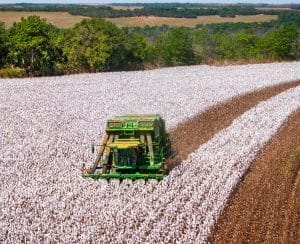
Among the highlights of the program is a visit to Sundown Pastoral Company, one of Australia’s largest cotton producers and a benchmark in water-use efficiency and on-farm sustainability. The itinerary includes the Keytah property, located in New South Wales, internationally recognized for its high productivity levels and advanced water management model. The farm produces up to 78,000 cotton bales per year.
The mission will also visit Australian Food & Fibre (AFF), one of Australia’s leading agribusiness companies with integrated operations across the cotton supply chain, as well as Cotton Seed Distributors (CSD), a company specialized in cotton breeding and seed development.
Another key stop on the agenda will be the Australian Cotton Research Institute (ACRI), one of Australia’s leading research centers focused on productivity, pest management, efficient water use, and sustainable agricultural practices.
The program also includes meetings with representatives from Warakirri Asset Management, one of Australia’s largest agricultural investment platforms, and ProClass, the country’s leading independent cotton classification company.
In the final stage of the mission, participants will visit the facilities of Queensland Cotton, part of Olam Agri, as well as the Bayer Crop Science laboratory in Toowoomba and the Port of Brisbane, Queensland’s main agricultural export logistics corridor.
Australian researchers visited Brazil
During the month of May, prior to the Brazilian delegation’s visit to Australia, a group of Australian researchers from The Cotton Research and Development Corporation (CRDC), through the CottonInfo extension program, visited Brazil for an agenda focused on technical exchange on topics such as pest management, climate resilience, and soil health. The group visited farms in the states of Mato Grosso and Bahia, research organizations, and participated in a technical workshop on Integrated Pest and Disease Management (IPM) organized by Abrapa in Brasília.
“Something that stood out during our visit to Brazil was how innovative and technologically advanced the farming sector is, how strong the research-based industry is, and how different stakeholders are working together to drive the success of farming, particularly cotton,” said Jamie Street, a consulting agronomist based in St George, Queensland, specializing in Australian cotton production.
Global benchmarks in cotton production
Australia is considered one of the world’s leading references in cotton production, especially in irrigation efficiency, applied research, and the integration between production and export logistics. At the same time, Brazil has consolidated its position as one of the world’s largest cotton producers and exporters, driven by large-scale production systems, technological advances, sustainability initiatives, continuous investments in traceability and quality programs, and its ability to ensure year-round availability to global markets through its production scale and supply capacity.
The technical mission creates an opportunity for mutual learning between two major players in the global cotton sector, allowing participants to exchange experiences and explore different approaches to productivity, innovation, and sustainable production.
International relations
Cotton Brazil Dialogues was launched in 2025 with the goal of strengthening institutional and technical relationships between Brazilian cotton and strategic markets, fostering closer connections among producers, industry representatives, researchers, and stakeholders across the global textile supply chain, while advancing the promotion of cotton as a sustainable and natural fiber.
“Cotton Brazil Dialogues was created with the purpose of building long-term connections between Brazilian cotton and key global players across the value chain. Within the context of this initiative, we see the exchange with other cotton-producing countries as key to generating value for the entire sector,” said Marcelo Duarte, International Relations Director at Abrapa.
About Cotton Brazil
Cotton Brazil is an international promotion program for Brazilian cotton developed by Abrapa in partnership with ApexBrasil (the Brazilian Trade and Investment Promotion Agency). The initiative focuses on commercial promotion, institutional positioning, and strengthening the image of Brazilian cotton in the global market, highlighting attributes such as quality, traceability, sustainability, and supply reliability.