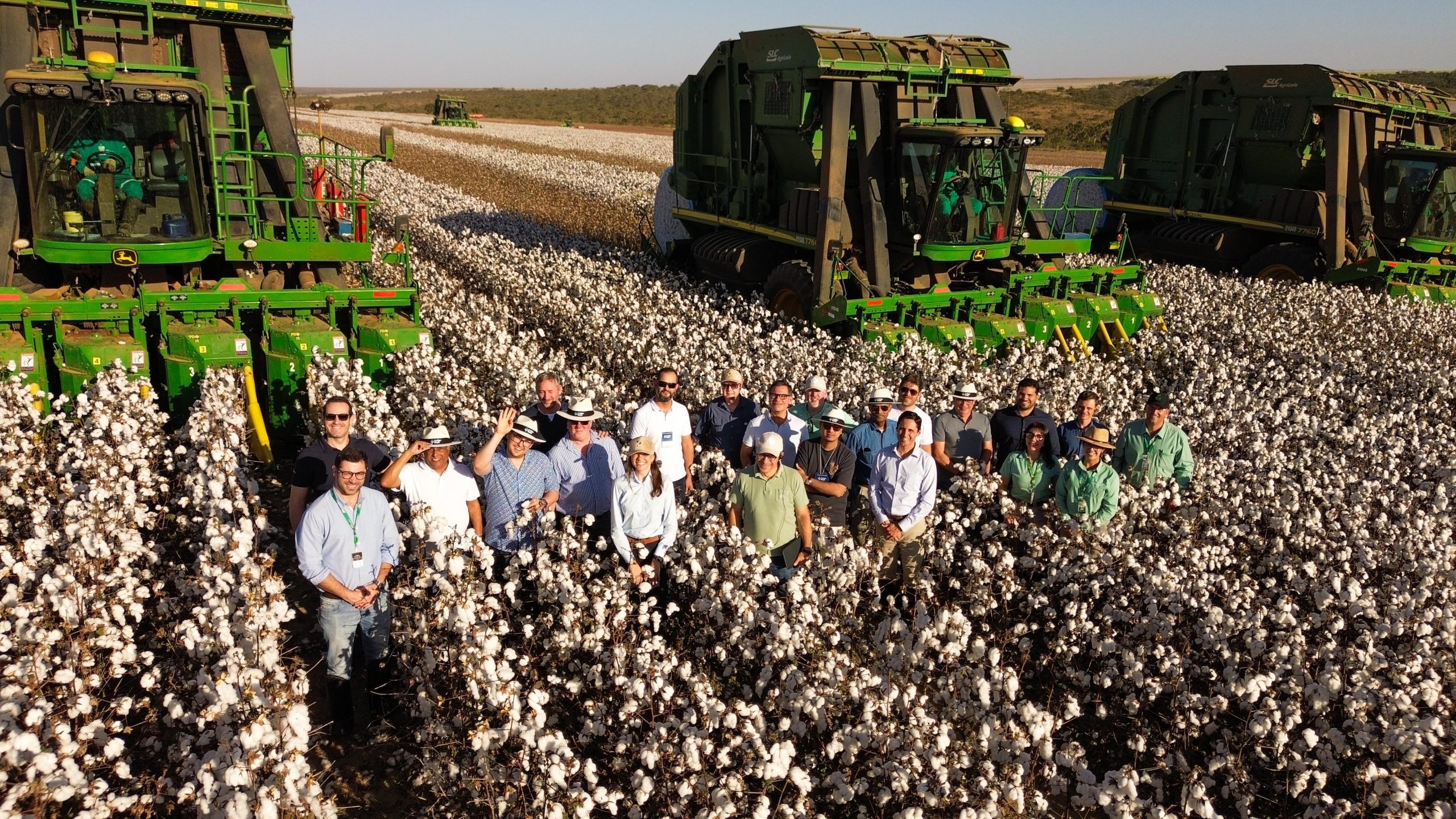
Field trips scheduled for July and August will bring together international stakeholders to experience Brazil’s cotton production and sustainability practices firsthand
Cotton Brazil Dialogues is a programme that promotes responsible production practices and cross-sector collaboration among representatives of the global cotton value chain. The 2026 edition will feature immersive field trips to cotton-producing regions across Brazil. Participants will include industry experts, brands, retailers and representatives of international organizations. The initiative aims to strengthen dialogue, share knowledge and increase transparency regarding the production and sustainability of Brazilian cotton in the international market.
The trips are organized by the Brazilian Cotton Growers Association (Abrapa), in partnership with the Brazilian Trade and Investment Promotion Agency (ApexBrasil) and the National Association of Cotton Exporters (ANEA), as part of efforts to promote Brazilian cotton abroad.
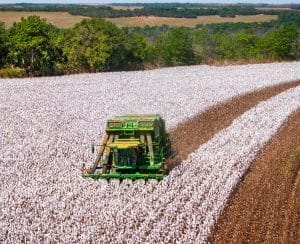
The programme consists of a one-week field trip to the country’s main cotton-producing regions. Participants will experience Brazilian cotton production up close, with visits to farms, HVI laboratories, cotton gins and other facilities across the production chain. Throughout the journey, participants will observe precision and regenerative agriculture practices, as well as traceability and sustainability initiatives, demonstrating how these principles are integrated across the different stages of cotton production in Brazil.
Opportunities for dialogue
Marcelo Duarte, International Relations Director at Abrapa, highlights that the initiative has become an important platform for connecting the Brazilian cotton sector with international stakeholders.
“Every year, Cotton Brazil brings together leaders from different segments of the global textile chain to experience Brazilian cotton production up close. For the 2026 edition, we decided to evolve the format by offering two sessions and by further diversifying the group of participants. The idea is to expand the dialogue and create more opportunities for meaningful exchanges between international stakeholders and the Brazilian cotton sector,” he says.
This year, the mission will have two sessions — from July 27 to 31 and from August 17 to 21 — and interested participants can find more information on the program’s official website.
Sustainability at the center of the agenda
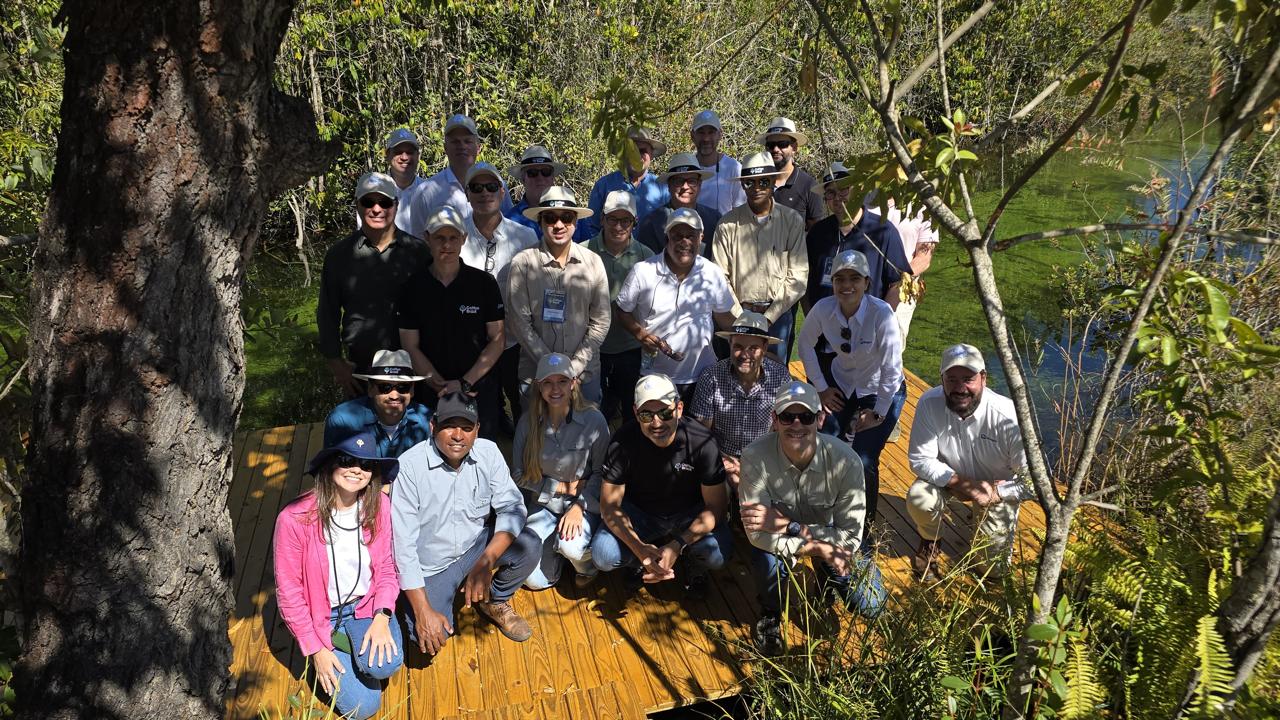
The programme includes technical visits to cotton farms and analysis laboratories located in the Brazilian states of Mato Grosso, Bahia and Goiás, allowing participants to learn more about different stages of Brazil’s cotton production. Throughout the trip, sustainability will be one of the central pillars, with emphasis on the standards adopted in the ABR (Responsible Brazilian Cotton) certification, which monitors the production process at every stage.
Participants will also have the opportunity to learn about the traceability initiatives used in Brazil, which make it possible to identify the origin and track the journey of each bale of cotton along the production chain. The agenda also includes roundtable discussions with Brazilian producers and other representatives from the sector, creating a space for knowledge exchange and strengthening collaboration among different actors in the global cotton industry.
Value chain stakeholders
The Cotton Brazil Dialogues reinforces Brazil’s commitment to responsible and transparent cotton production aligned with global sustainability expectations. By promoting direct dialogue with international partners, the initiative helps bring the Brazilian production sector closer to key players in the global textile value chain.
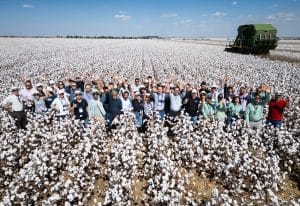
Each group is composed of a diverse audience, bringing together professionals from different stages of the value chain, including producers, traders, spinners, brands and retailers.
Lisa Ventura, Head of International Partnerships at Abrapa, explains that the 2026 edition will place special emphasis on engaging a broader and more diverse group of participants, particularly professionals responsible for sourcing for brands and retailers. “This year, we are especially focused on engaging a broader and more diverse group of participants, ensuring a multi-stakeholder approach to these field trips,” she says.
She adds that bringing these stakeholders closer to the field is essential, as it allows them to see firsthand how scale, technology, traceability and sustainability are integrated into Brazilian cotton production, strengthening transparency and long-term collaboration across the textile value chain.



One Response
we would like to attend brazil cotton dialouge, and similar conference to understand brazil cotton trade. We are in cotton and yarn export business from India.